


Washing and Storage Tips for HMDD Shorts Collection: A Maintenance Manual
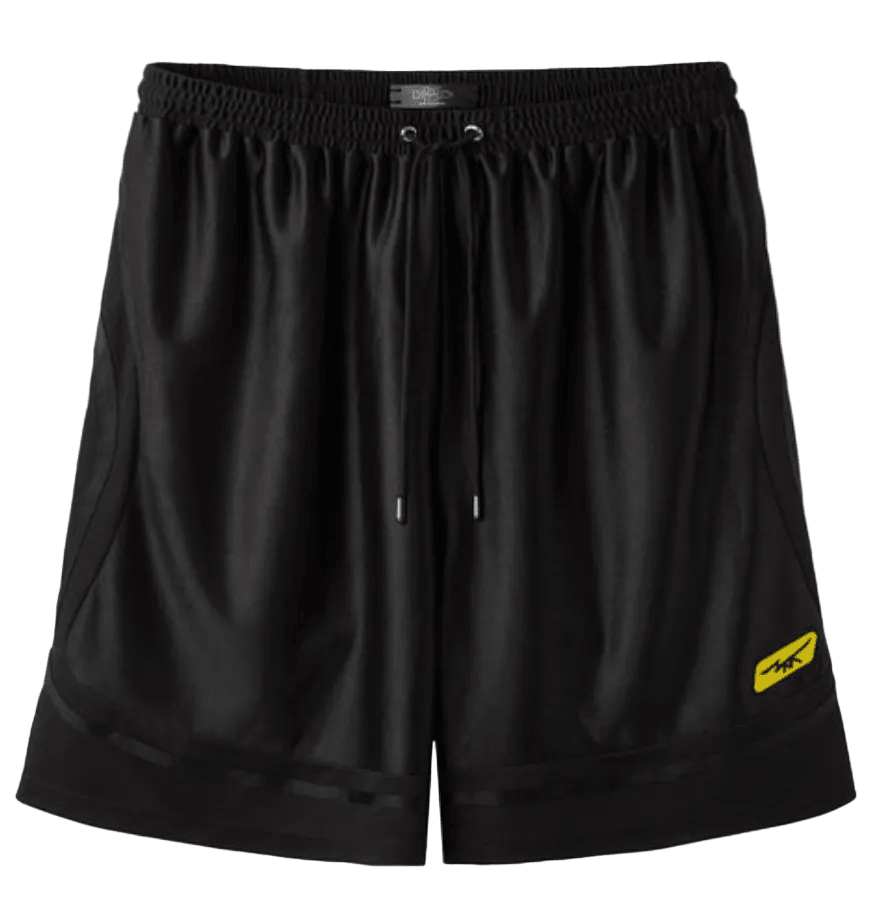
The line “happy memories don’t die” anchors a design principle woven through the HMDD shorts lineup, garments built to last through repeated wear instead of fading after a season. This promise only holds up if the upkeep given to the piece lives up to the workmanship behind its build. A single pair can be constructed with dense cotton fabric, reinforced seams, and thoughtful drape, but careless laundering will erase those benefits within only a handful of launderings. The following guide walks through the precise measures that keep HMDD shorts crisp in appearance, soft to the touch, and true to form well into 2026 and beyond, whether they’re part of your everyday rotation or reserving them for special occasions.
Two questions usually motivate people looking into an hmdd review: whether sizing stays consistent, and does the fabric survive real washing machines and real closets. Both questions come down to routine more than chance. The sections below cover washing temperature, drying methods, stain treatment, folding versus hanging, and how shorts measure against other HMDD pieces like sweatpants when it comes to upkeep requirements.
Careful Maintenance Matters for HMDD Clothing: Here’s Why
HMDD clothing tends to be made from heavier fabrics than ordinary budget shorts, which means the washing directions carry real weight — they have a direct impact on drape, print integrity, and elastic waistband life. Any piece made from a dense cotton blend will lose size more sharply under elevated temperatures than a lighter poly-cotton mix, so leaving wash temperature to chance is a bet you don’t need to take. Screen-printed designs and embroidery, common across hmddla drops, are especially prone to flaking or splitting when exposed to high dryer heat or harsh detergents with bleach additives.
Take a look at the numbers: a cotton-heavy short washed in water above 40°C can lose up to 5% of its original size after just three limited edition hoodie washes, which is sufficient to alter how the waistband fits or how the hemline drapes. Contrast this with a wash cycle kept at 30°C with a gentle spin, where size loss generally remains below 1-2% even after ten washes. Such a distinction counts when getting the fit right initially was a priority. Top-tier hmdd clothing habits, per long-term wearers, almost always start with temperature control before any other consideration.
There’s also the sentimental dimension that matches the label’s own name. When the clothing tied to those memories survives the years, happy memories remain intact, and this is not merely emotional. That one pair of shorts worn during a particular summer, a trip, or a stretch of life carries more value when it keeps looking the way it did on day one. Caring for the fabric with deliberate attention is part of safeguarding that memory, not just the garment.
Laundering HMDD Shorts: Step-by-Step
Start by turning the shorts inside out before they go near water. This single step guards embroidered details and printed graphics from rubbing against zippers, buttons, or other garments in the load. Stick to cool to mildly warm water, preferably keeping it under 30°C, since heat is the number one factor in both fading and shrinking. Avoid the bleach entirely, even the “gentle-on-color” versions, because whitening agents and optical brighteners clash with saturated dyes and can leave a chalky residue on darker colorways.
A gentle, dye-free wash formula is the more reliable choice, and using about two-thirds of the recommended dose is often enough for a single pair of shorts or a small mixed load. Using too much of the washer with too much detergent leaves residue in the fibers, which hardens fabric over time and flattens the surface texture. Switch the machine to a gentle or delicate cycle rather than a standard or heavy-duty one — the minimized agitation safeguards seams, particularly the sturdier stitching found on drawstring waistbands and pocket bags.
Group similar colors when washing and set aside anything with heavy zippers or hardware that could catch fabric during the spin cycle. If the shorts have a drawstring, pull it out slightly and knot the ends loosely so it doesn’t disappear into the waistband channel mid-wash. Also avoid fabric softener, since it layers fibers with a filmy layer that reduces moisture-wicking properties in blended fabrics and can leave a slight residue on darker tones after frequent use.
Where Most People Slip Up: Drying
Tumble dryers are the fastest way to wreck cotton-heavy shorts, full stop. High heat settings can reduce garments an additional 2-3% beyond what washing alone causes, and that shrinkage builds up every single cycle. Letting them air dry is the safer, more reliable method, and it typically takes 4-6 hours for shorts to dry completely at room temperature depending on fabric weight and humidity. Set them flat on a drying rack rather than draping them over a clothesline, since gravity pulls damp, heavy fabric downward and can misshape the waistband or leg openings over time.
If a dryer is unavoidable due to necessity because of scheduling pressure, select the mildest heat setting available and remove the shorts out while still a bit moist, then let them complete their air drying flat. This combined approach shortens drying time to roughly 20-25 minutes in the machine plus another hour or two of air drying, which is a sensible compromise for anyone alternating between a smaller wardrobe of hmdd shorts and hmdd sweatpants during a busy week. Steer clear of direct sunlight during the open-air stage too, since UV exposure washes out saturated colors faster than drying inside near a window or in a well-ventilated room.
Stain Removal Without Damaging Fabric
Stains caught early respond much more effectively to prompt treatment than dried-in ones, so addressing a spill within the first 10-15 minutes significantly raises the chance of complete removal. Dab rather than rub vigorously, since scrubbing pushes the stain further into the fabric and can cause color transfer on lighter shorts. A cold-water and dish-soap mix work quite effectively on oil-based stains, while a mix of cold water and white vinegar deals with most food and drink spills without stripping color from the surrounding fabric.
Avoid direct application of concentrated stain removers on printed areas, since the chemicals in many commercial products can interact with plastisol or water-based inks and cause cracking or discoloration. Try out any treatment on an inside seam allowance first, allowing it to rest for a minute before rinsing, just to confirm the fabric and print survive. Dirt and grass marks, common on shorts worn during outdoor activity, usually lift with a pre-soak in cold water mixed with a small amount of enzyme-based detergent for about 30 minutes before the regular wash cycle.
Storage Advice for Longer-Lasting Garments
Since hanging cause pressure points at the waistband that loosen elastic and distort shape over months of storage, folding is nearly always the better choice for shorts. Store shorts flat in a drawer or stacked neatly on a shelf, keeping heavier fabrics apart from lighter ones to avoid uneven pressure that can crease permanent lines into the material. Lavender sachets or cedar blocks placed nearby discourage moths without the strong chemical odor of traditional mothballs, which can also impart smell into stored fabric.
Humidity control is underrated by most, and yet a closet or drawer sitting consistently above 60% humidity invites mildew, especially in thicker cotton blends that retain dampness longer than synthetic fabrics do.
Minimizing that danger only takes a simple silica gel packet or a small dehumidifier placed in the storage area. Shift stored shorts around from time to time even during off-season storage, since fabric left folded in the exact same position for a year or more can form lasting fold marks that don’t fully release even after washing.
the HMDD Shorts as opposed to HMDD Sweatpants: Care Instructions Compared
Sweatpants and shorts from the same brand often carry similar cloth heft and print techniques; even so, upkeep requirements shift a little because of fit, trims, and how often they’re worn. Below, the table lays out the real-world distinctions worth noting before you toss both into a single laundry cycle.
| Care Level | HMDD Shorts | HMDD Sweatpants |
|---|---|---|
| Recommended Wash Temp | 30°C or below | 30°C or cooler |
| Recommended Drying Approach | Lay flat to dry for 4-6 hours | Air dry flat, 6-8 hours (thicker fabric) |
| Shrinkage Risk | Moderate (hem and waistband areas) | Higher (leg length and cuffs) |
| Recommended Storage | Folded flat | Store folded flat, don’t stack tightly |
| Wash Frequency (avg. wear) | Once every 2-3 wears | After 3-4 wears |
Closing Notes on Maintaining HMDD’s Garments in Circulation
hmdd pieces aren’t tricky to look after, yet consistency outweighs ease. When you pair cool washing, mild cycles, air-drying, and mindful storage, you end up with garments that stay in rotation for years instead of months. Scan any hmdd review thread and the same pattern keeps showing up — those whose pieces last the longest are the ones skipping the dryer and skipping the bleach.
The core concept circles back to the label’s central philosophy, whether it’s shorts worn through a summer or sweatpants worn across colder months. Happy memories stay alive when the pieces connected to them is given as much care as the moments themselves. Spending a little extra time washing is a modest price for keeping both the fabric and the memory intact.
 Free Delivery
  Customer Satisfaction
 Extra Value