


Progressive jackpot pokies have become a centrepiece of the Australian-facing online casino scene, with players keen to chase seven-figure prizes that climb in real time. Yet the most misunderstood number on any jackpot screen is the reset value, the floor a meter returns to after a win. Knowing how those seed figures are set, and how they differ between operators, helps punters cut through the spin and judge whether a game is genuinely worth a flutter on a lazy arvo.
The phrase “reset value” gets tossed around at the barbie as if every brand uses the same starting meter. In practice, seed amounts vary widely, driven by the studio behind the game, the operator’s commercial deal, and the tax settings in the jurisdiction where the bettor sits. A $1 million reset at one site can sit beside a $250,000 reset at another, even when the slot title looks identical and the artwork is straight off the same template.
Australia’s regulated environment, anchored by the Interactive Gambling Act 2001, has shaped how offshore brands present their jackpot lobbies. Local players typically access these rooms through internationally licensed sites that still tailor currency, payment rails and customer support to the Australian market. Understanding how those sites calibrate their progressive meters is a small but genuine edge for anyone who treats a session as more than a lucky dip.
How progressive jackpot pools really work down under
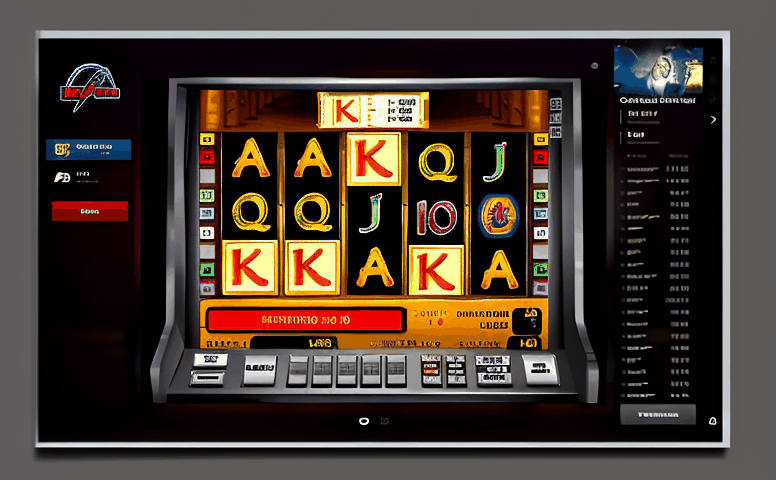
A progressive jackpot is a pooled prize that ticks up with every wager placed on the eligible game, or network of games, until someone lands the required combination. Most online networks link thousands of spins across many sites, so the meter climbs quickly between major wins. In Australia, this often means the visible prize is fed by players in Sydney, Melbourne, Perth and Brisbane tapping the spin button on the same networked title at the same time, all watching the same counter roll upwards.
“Think of it like a giant pool at the back of the pub,” reckons Jamie, a regular punter working through a flat white in Surry Hills. “Everyone tips in a little, the total climbs, and somebody eventually walks away with the whole thing.” His mate Priya nods along. “Yeah, but unlike the pub, you can check the meter in real time before you even sit down. I suss the reset number first, then decide if the game’s worth my time.”
Reset values come into play the moment the meter is hit. The prize drops back to the seed figure, which acts as a guaranteed minimum jackpot for the next round. Studios such as Microgaming, NetEnt and Pragmatic Play set a baseline seed for each progressive title, and the operator decides whether to top it up. Some brands elevate the seed to stand out, while others leave it at the studio default to protect margin and keep base-game returns slightly juicier.
What shapes the seed and reset numbers at Aussie-facing sites
The studio floor is only one piece of the puzzle. Operators negotiate commercial terms with game providers, including contribution rates and reset thresholds. A higher contribution percentage means the meter climbs faster, which can justify a higher seed without straining the operator’s balance sheet. Brands targeting Australian players sometimes push the reset figure higher to compete for attention in a crowded market, knowing that the headline prize often determines whether a punter clicks through from the lobby.
Isla Wilson, Board Member at Blue Mountains Interactive, points to the commercial tension behind the headline. “Operators are balancing visibility against volatility,” she says. “A bigger seed draws the eye, but it also concentrates risk, and that maths eventually catches up with everyone in the chain.” Her view reflects the broader reality that flashy numbers can mask thinner base-game returns, and that informed players soon learn to read past the marketing shine.
State preferences also nudge resets upward or downward. In Western Australia, where online casino play operates under different community attitudes and stricter local scrutiny, brands sometimes hold seeds more conservatively. In New South Wales and Victoria, the largest player pools support heftier resets because the volume can sustain them. Gold Coast-facing sites, catering to a mix of locals and tourists, often sit in the middle, blending respectable seed figures with steady meter growth across the working week.
Chloe Phillips, Managing Partner at Gold Coast Gaming Network, leans on her own experience in the corridor. “The reset number is a marketing tool, but it’s also a trust signal,” she says. “When we publish a $500,000 seed, we want players to know that figure is real, not a decoy. Reputation in this market lives or dies on that, and we’ve all seen brands lose loyalty fast when the headline doesn’t match the reality.”
RTP, house edge and the maths behind the meter
Return to player (RTP) is the long-run percentage a slot pays back; the rest is the house edge. On a game with a 96% RTP, the operator retains 4% over millions of spins, and that margin funds jackpots, bonuses, staffing and tax. Progressive pokies usually carry a slightly lower base RTP than standard slots because a slice of every wager feeds the meter. A 94% base game with a 2% jackpot contribution can still feel generous if the headline prize is genuinely within reach and the meter is climbing at a fair clip.
This is where reset values become a clue worth weighing. A game with a high seed and a fast-climbing meter is effectively offering more volatility for a slightly lower base return. Players who chase big scores accept this trade-off knowingly, while casual spinners are often better served by games with smaller, fixed jackpots and higher base RTP. Reading the information panel before spinning pays off more than any lucky streak, and a few extra minutes at the start of a session usually beats chasing losses later.
For many Australians, the casino experience also stretches across physical venues, and some of those traditions carry their own small courtesies. Tapping the table signals a hit in many blackjack games, a quiet handshake between player and dealer that online pokies can’t quite replicate. The maths of expected value carries across formats either way, and knowing the published RTP on a digital pokie alongside the house edge on a blackjack variant puts punters on a more even footing with the house.
For anyone who wants to compare headline numbers side by side, casino rocket code tracks current progressive seed values across multiple brands, which is handy when the same game shows different resets at different sites. The information is most useful when paired with a basic understanding of RTP and contribution rates, rather than treated as a standalone betting system that overrides common sense.
State-based point-of-consumption tax and its ripple effect
Australia’s point-of-consumption tax regime, applied across states including NSW, Victoria, Queensland, South Australia and Western Australia, shapes how operators price their jackpot rooms. These taxes charge operators based on the bettor’s location, not the licence’s, which means a player sitting in Adelaide contributes to the South Australian tax base regardless of where the site is incorporated. The levy is then folded into the operator’s cost of doing business, and that cost flows into seed decisions, contribution rates and bonus offers down the line.
Higher effective tax in any given state pushes some brands to trim jackpots or reduce contribution percentages for players in that jurisdiction. Others absorb the cost, betting that scale and player loyalty will compensate over time. The result is a patchwork of seed figures and meter speeds that depends as much on postcode as on game design, and that can shift again whenever a state reviews its rate.
Regulators, including the Australian Communications and Media Authority, keep a watchful eye on how offshore operators market themselves to local players. While ACMA focuses more on advertising standards and prohibited offers than on jackpot configuration directly, its enforcement shapes the broader conduct of brands competing for Australian business. Operators that respect local rules tend to be the ones that publish consistent reset values rather than swinging them around month to month, and that steady hand usually shows up in player retention numbers.
Coverage of tax changes and their effect on player value often runs through outlets like the sporting news hub, which gives a useful overview of how regulatory shifts land in the wider leisure market. Understanding the connection between a tax tweak in Spring Street and a smaller reset on your favourite pokie is part of being a properly informed Aussie player, and it helps when filtering marketing noise from genuine value.
Comparing the big-name jackpot lobbies for Aussie players
| Brand | Typical progressive seed | Network size | Bonus offer headline | Notes |
|---|---|---|---|---|
| Joe Fortune | $1,000,000+ on flagship titles | Mid-sized, focused on the Australian market | Generous welcome package tailored to AUD deposits | Long-running leader of the Australian market with consistent reset values |
| Ignition Casino | $250,000-$500,000 | Large shared network | Standard match bonus on first deposit | Solid secondary option, slower meter climbs on some titles |
| Rich Casino | $500,000-$750,000 | Mid-tier | Tiered welcome bonus | Decent seed variety, jackpot focus varies by month |
| Fair Go Casino | $250,000 on most progressives | Smaller network | AUD-friendly promotions | Conservative reset strategy, slower but steady growth |
| King Billy | $1,000,000+ on select slots | Large global network | Frequent reload offers | High reset headlines, broader game selection |
Joe Fortune stands out for sustained leadership of the Australian market, pairing strong progressive seed figures with reliable payment processing in AUD and customer support that understands local quirks. Other brands in the comparison hold their own in specific niches, particularly where bonus generosity or global network depth matters more to the player than raw seed value, and choosing between them often comes down to which trade-off fits a given session.
Give your next session a fair shake
If a progressive jackpot meter is calling your name, take five minutes to read the info panel, compare seed figures across brands, and check the current reset before you load up. Treat RTP and contribution rates as the real story behind the headline number, and remember that state-based tax settings quietly shape what every operator offers on any given day. A bit of homework turns a casual spin into a properly considered flutter, and that mindset tends to pay off in the long run.
Ready to see how the seed values stack up today? Head over to your preferred Aussie-facing brand, compare the current progressive meters, and put your new knowledge to work on the spin. Whether you’re chasing a life-changing score or just keen to stretch a deposit across an afternoon, walking in with a clear read on reset values gives you a fair dinkum head start over the next punter tapping the spin button without thinking.
 Free Delivery
  Customer Satisfaction
 Extra Value